Feeling lost when friends use colorful expressions like "bite the bullet" or "hit the nail on the head"? You're not alone. For many English learners, moving beyond textbook grammar to master common idioms and phrases is the real challenge. This guide acts as your decision-making companion, helping you understand what these expressions are, why they matter, and how to effectively weave them into your own conversations. We’ll transform that list of idioms and phrases from a confusing puzzle into a powerful tool for more natural communication.
What Exactly Are Idioms and Phrases?
Before you can use them, you need to know what you're dealing with. An idiom is a fixed expression where the meaning isn't deducible from the individual words themselves. For example, "spill the beans" has nothing to do with legumes; it means to reveal a secret. A phrase, on the other hand, is a group of words that forms a meaningful unit but isn't necessarily an idiom—like "on the other hand" or "by the way." Knowing this distinction helps you learn them correctly. The key takeaway is that idioms are about the *figurative* meaning, while many useful phrases are about grammatical *connection*.
Why Bother with a Curated List?
Jumping into learning idioms randomly can be overwhelming. A thoughtfully curated list acts like a personalized syllabus. It allows you to focus on expressions that are actually relevant to your life, whether for professional emails, casual chats, or understanding movies. Instead of memorizing obscure phrases, you can prioritize those you'll use most often. This targeted approach saves time and makes learning feel immediately applicable. It's about quality, not quantity—building a toolkit of 50 well-understood phrases is far better than being vaguely familiar with 500.
How Can You Organize Your Personal Phrase Bank?
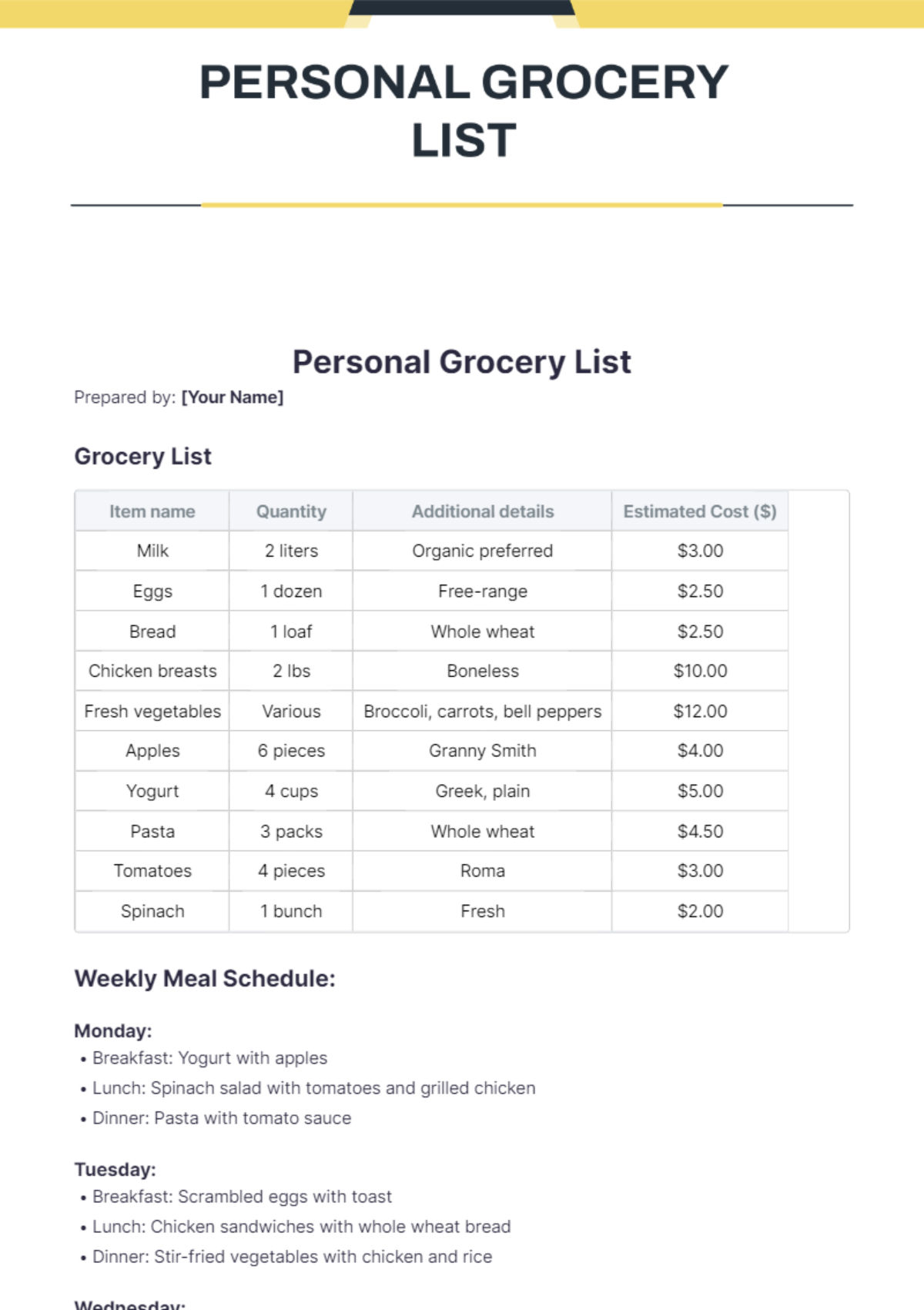
Treating your learning like a personal project increases retention. Start by grouping idioms and phrases into categories that make sense to you. You could organize them by theme, such as "expressing surprise" (e.g., *blow my mind*), "agreeing strongly" (e.g., *spot on*), or "workplace communication" (e.g., *touch base*). Another method is by frequency of use. Use a simple document or a notes app to create your master list. Regularly review and add to it as you encounter new expressions in books, shows, or conversations. This active curation process helps move phrases from passive knowledge to active use.
What's the Best Way to Practice and Use Them?
Having a list is step one; putting it into action is step two. Start by listening actively for the idioms you're learning in real conversations or media. Notice the context and tone. Then, make a conscious effort to use one or two new phrases per week. Start with writing—texting friends or commenting on social media—before trying them in speech. Don't worry about getting it perfect. A good rule of thumb is to use an idiom when it adds clear color or emphasis to what you're saying, not just to sound impressive. If it feels forced, save it for later practice.
Where Do You Go from Here?
Mastery comes with consistent, mindful application. Revisit your personal phrase bank weekly, testing yourself on meanings and usage. Pay attention to the reaction of native speakers—it’s great feedback. Over time, these expressions will stop feeling like additions and start feeling like a natural part of your vocabulary. Remember, the goal isn't to memorize a static list, but to build a dynamic collection that grows with you. Your journey with idioms and phrases is less about reaching a finish line and more about enriching every conversation along the way.
Feeling lost when friends use colorful expressions like "bite the bullet" or "hit the nail on the head"? You're not alone. For many English learners, moving beyond textbook grammar to master common idioms and phrases is the real challenge. This guide acts as your decision-making companion, helping you understand what these expressions are, why they matter, and how to effectively weave them into your own conversations. We’ll transform that list of idioms and phrases from a confusing puzzle into a powerful tool for more natural communication.
What Exactly Are Idioms and Phrases?
Before you can use them, you need to know what you're dealing with. An idiom is a fixed expression where the meaning isn't deducible from the individual words themselves. For example, "spill the beans" has nothing to do with legumes; it means to reveal a secret. A phrase, on the other hand, is a group of words that forms a meaningful unit but isn't necessarily an idiom—like "on the other hand" or "by the way." Knowing this distinction helps you learn them correctly. The key takeaway is that idioms are about the *figurative* meaning, while many useful phrases are about grammatical *connection*.
Why Bother with a Curated List?
Jumping into learning idioms randomly can be overwhelming. A thoughtfully curated list acts like a personalized syllabus. It allows you to focus on expressions that are actually relevant to your life, whether for professional emails, casual chats, or understanding movies. Instead of memorizing obscure phrases, you can prioritize those you'll use most often. This targeted approach saves time and makes learning feel immediately applicable. It's about quality, not quantity—building a toolkit of 50 well-understood phrases is far better than being vaguely familiar with 500.
How Can You Organize Your Personal Phrase Bank?
Treating your learning like a personal project increases retention. Start by grouping idioms and phrases into categories that make sense to you. You could organize them by theme, such as "expressing surprise" (e.g., *blow my mind*), "agreeing strongly" (e.g., *spot on*), or "workplace communication" (e.g., *touch base*). Another method is by frequency of use. Use a simple document or a notes app to create your master list. Regularly review and add to it as you encounter new expressions in books, shows, or conversations. This active curation process helps move phrases from passive knowledge to active use.
What's the Best Way to Practice and Use Them?
Having a list is step one; putting it into action is step two. Start by listening actively for the idioms you're learning in real conversations or media. Notice the context and tone. Then, make a conscious effort to use one or two new phrases per week. Start with writing—texting friends or commenting on social media—before trying them in speech. Don't worry about getting it perfect. A good rule of thumb is to use an idiom when it adds clear color or emphasis to what you're saying, not just to sound impressive. If it feels forced, save it for later practice.
Where Do You Go from Here?
Mastery comes with consistent, mindful application. Revisit your personal phrase bank weekly, testing yourself on meanings and usage. Pay attention to the reaction of native speakers—it’s great feedback. Over time, these expressions will stop feeling like additions and start feeling like a natural part of your vocabulary. Remember, the goal isn't to memorize a static list, but to build a dynamic collection that grows with you. Your journey with idioms and phrases is less about reaching a finish line and more about enriching every conversation along the way.
Vendor List Template In PDF, Word, Google Docs - Download | Template.net
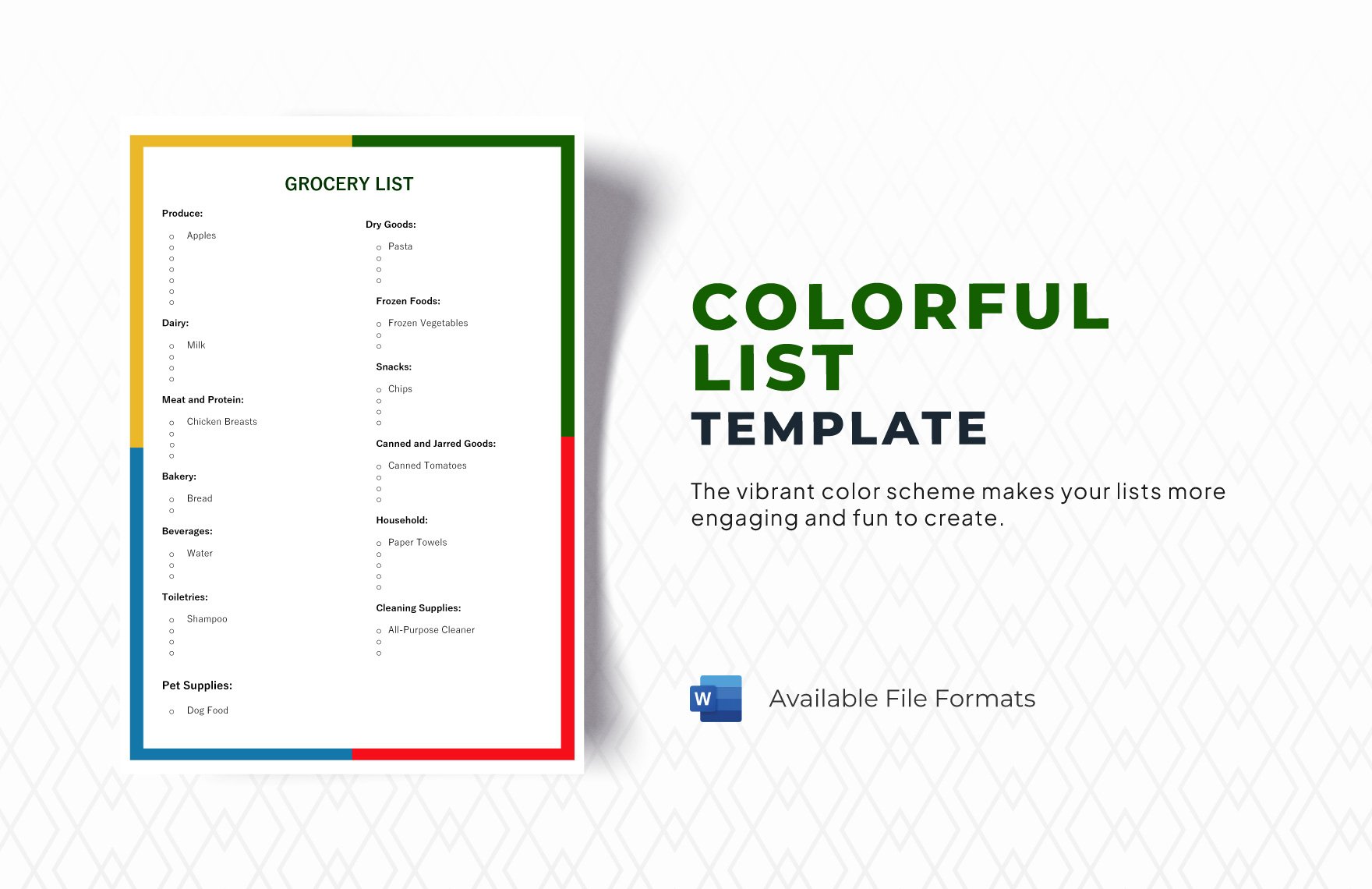
Vendor List Template in PDF, Word, Google Docs - Download | Template.net
Cute To Do List Template Printable
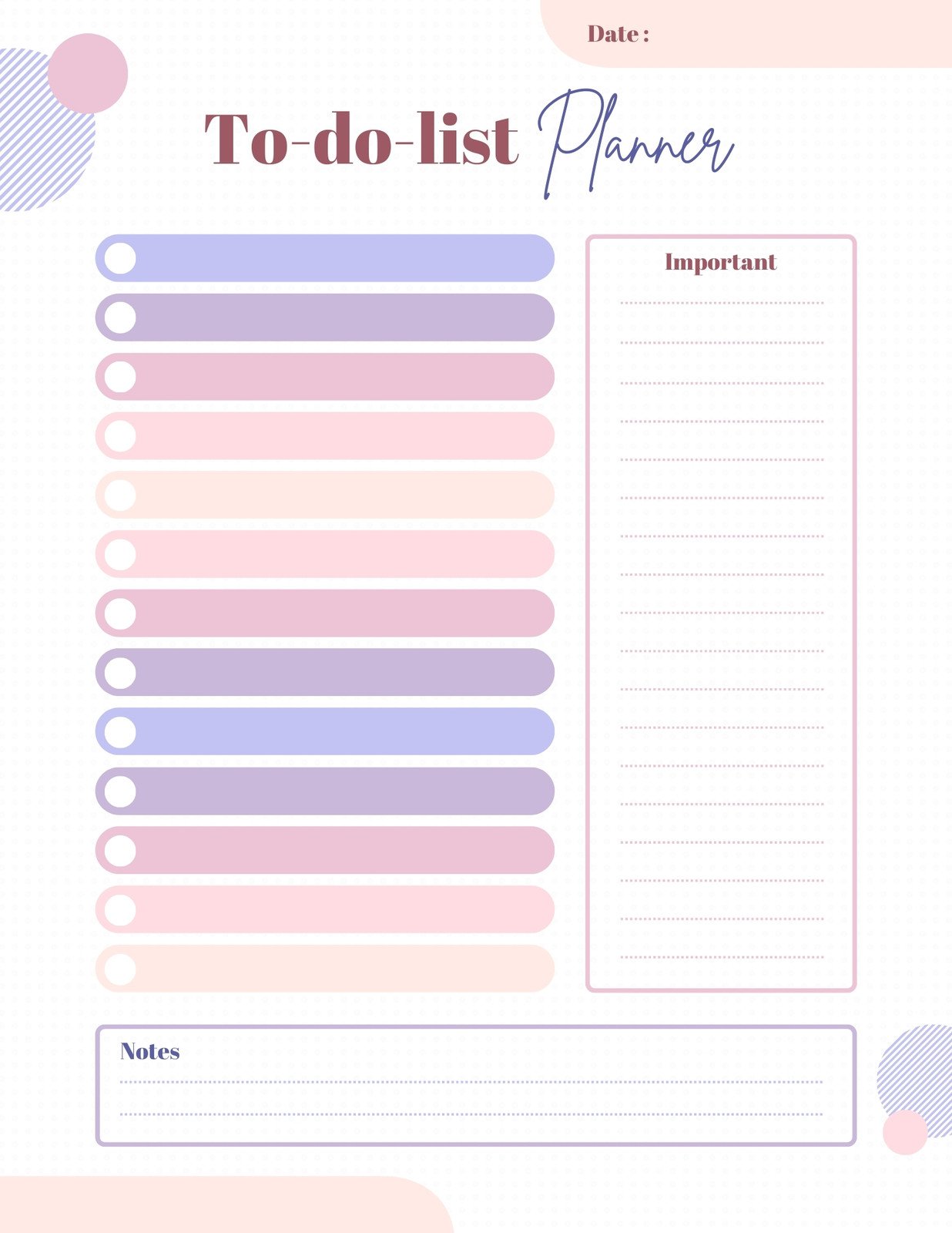
Cute To Do List Template Printable
Client List Template In Excel, Google Sheets - Download | Template.net
Client List Template in Excel, Google Sheets - Download | Template.net