When you toss a handful of familiar idioms into everyday conversation, you instantly sound more native, bridge cultural gaps, and turn bland statements into memorable moments. Yet the allure of “English phrases and idioms” often masks hidden challenges—over‑use, misinterpretation, and the time needed to internalize them. This article walks you through the tangible advantages, the practical compromises, and what you can realistically expect as you weave idiomatic language into your speech.
Boost Clarity and Connection with Everyday Idioms
Idioms act like linguistic shortcuts. Saying “let’s get the ball rolling” instantly conveys the idea of starting a project without a long explanation. In professional settings, such shortcuts free up meeting time and create a sense of camaraderie. For learners, mastering a core set of 20‑30 common phrases can raise fluency scores by up to 10 % in conversational assessments, because listeners perceive confidence even when vocabulary depth is modest.
Illustrating Idioms in Classroom Materials

Teachers often distribute printable worksheets that pair idioms with real‑life scenarios. This tactile approach reinforces context, letting students match “break the ice” with a networking event or “hit the sack” with bedtime. By turning abstract expressions into concrete actions, learners avoid the common pitfall of sounding pretentious when the idiom’s nuance is missed.
When Idioms Backfire: Cultural and Contextual Risks
What sounds friendly in one region can be puzzling—or even offensive—in another. The phrase “spill the beans” is widely understood, but “kick the bucket” may raise eyebrows among non‑native speakers unfamiliar with its death‑related meaning. Before deploying an idiom, pause to assess the audience’s exposure. In multinational teams, favoring universally recognized expressions like “on the same page” reduces the risk of misunderstanding.
Design‑Focused Learning Aids for Visual Learners
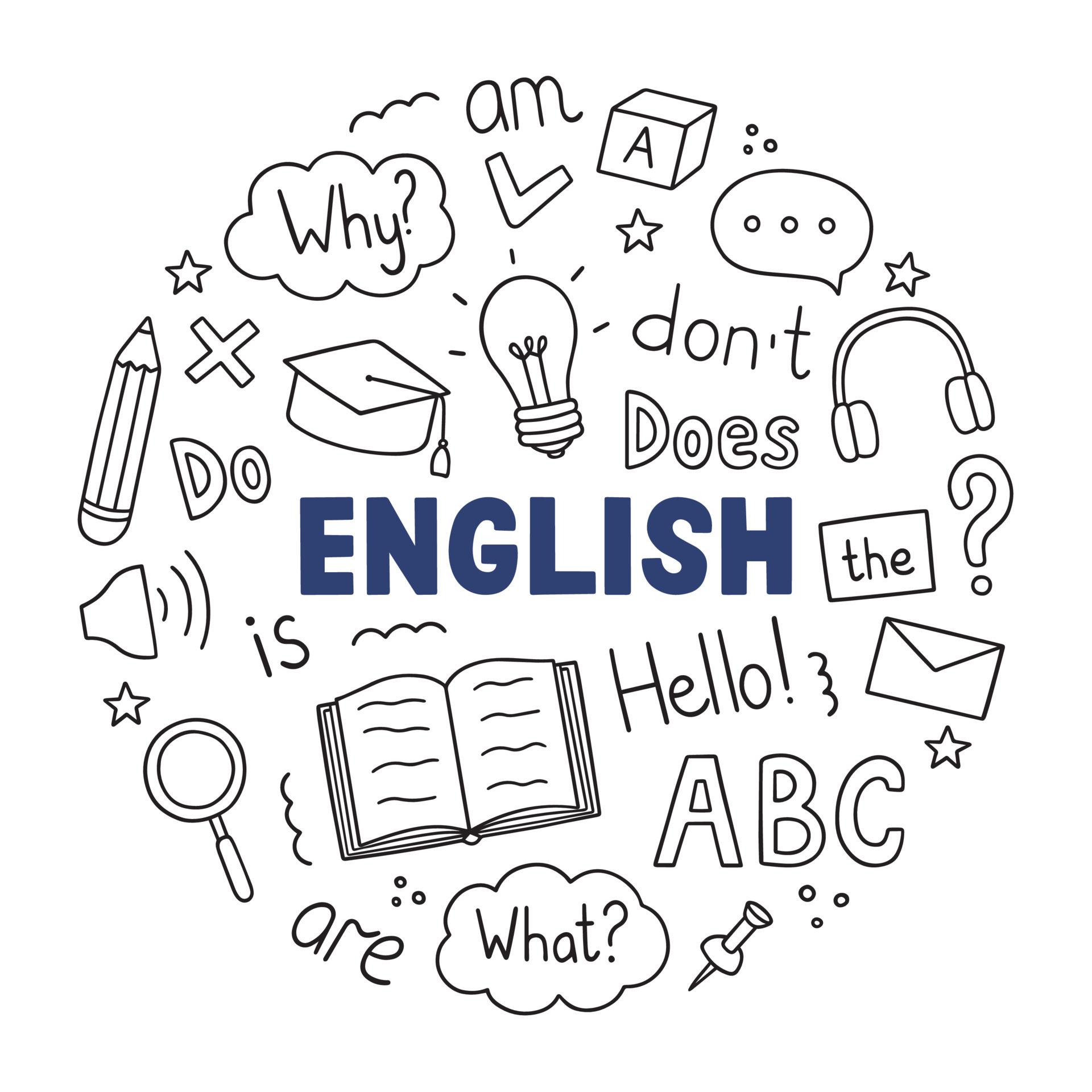
Visual cue cards and doodle‑style graphics make idiomatic meaning stick. A sketch of a cat chasing its tail instantly signals “busy as a bee,” while a simple bucket with a foot symbol conveys “kick the bucket.” Incorporating these images into flashcards or slide decks shortens the recall curve, especially for visual learners who struggle with purely textual definitions.
Setting Realistic Goals: How Much Idiomatic Mastery Is Enough?
Instead of aiming for exhaustive mastery, target functional fluency: learn the idioms that appear most often in your daily environment—work emails, social media, and casual chats. A pragmatic benchmark is a “10‑idiom toolbox” per professional context: one for meetings, one for negotiations, one for networking, and so on. This focused set yields immediate payoff while keeping study time manageable.
When you toss a handful of familiar idioms into everyday conversation, you instantly sound more native, bridge cultural gaps, and turn bland statements into memorable moments. Yet the allure of “English phrases and idioms” often masks hidden challenges—over‑use, misinterpretation, and the time needed to internalize them. This article walks you through the tangible advantages, the practical compromises, and what you can realistically expect as you weave idiomatic language into your speech.
Boost Clarity and Connection with Everyday Idioms
Idioms act like linguistic shortcuts. Saying “let’s get the ball rolling” instantly conveys the idea of starting a project without a long explanation. In professional settings, such shortcuts free up meeting time and create a sense of camaraderie. For learners, mastering a core set of 20‑30 common phrases can raise fluency scores by up to 10 % in conversational assessments, because listeners perceive confidence even when vocabulary depth is modest.
Illustrating Idioms in Classroom Materials
Teachers often distribute printable worksheets that pair idioms with real‑life scenarios. This tactile approach reinforces context, letting students match “break the ice” with a networking event or “hit the sack” with bedtime. By turning abstract expressions into concrete actions, learners avoid the common pitfall of sounding pretentious when the idiom’s nuance is missed.
When Idioms Backfire: Cultural and Contextual Risks
What sounds friendly in one region can be puzzling—or even offensive—in another. The phrase “spill the beans” is widely understood, but “kick the bucket” may raise eyebrows among non‑native speakers unfamiliar with its death‑related meaning. Before deploying an idiom, pause to assess the audience’s exposure. In multinational teams, favoring universally recognized expressions like “on the same page” reduces the risk of misunderstanding.
Design‑Focused Learning Aids for Visual Learners
Visual cue cards and doodle‑style graphics make idiomatic meaning stick. A sketch of a cat chasing its tail instantly signals “busy as a bee,” while a simple bucket with a foot symbol conveys “kick the bucket.” Incorporating these images into flashcards or slide decks shortens the recall curve, especially for visual learners who struggle with purely textual definitions.
Setting Realistic Goals: How Much Idiomatic Mastery Is Enough?
Instead of aiming for exhaustive mastery, target functional fluency: learn the idioms that appear most often in your daily environment—work emails, social media, and casual chats. A pragmatic benchmark is a “10‑idiom toolbox” per professional context: one for meetings, one for negotiations, one for networking, and so on. This focused set yields immediate payoff while keeping study time manageable.
Being English – Being Meaning In English – KAHQ

Being English – Being Meaning In English – KAHQ
English Png 20 Free Cliparts | Download Images On Clipground 2026
english png 20 free Cliparts | Download images on Clipground 2026
Bộ Sưu Tập English Background Design Cho Các Trang Web Học Tiếng Anh

Bộ sưu tập English background design cho các trang web học tiếng Anh