Imagine sitting across from a potential investor, your pitch polished and your data sound. You are closing in on the final ask when you drop a common phrase to emphasize urgency: "Let's not beat a dead horse." The room goes quiet. Not because the point landed, but because the idiom felt jarring, unprofessional, or simply confusing in that specific context. For a value-focused professional, relying on basic idioms and phrases is a low-risk habit that often carries hidden costs in clarity and authority.
The Trap of Overusing Familiar Expressions
We often use idioms as verbal shorthand, assuming they create a sense of camaraderie. In reality, they frequently add noise rather than signal. Phrases like "think outside the box" or "get the ball rolling" have been repeated so often that they have lost their impact. When a listener hears a cliché, their brain tends to tune out the actual meaning because the predictability of the phrase signals low-value information. You aren't just wasting breath; you are actively reducing the perceived weight of your argument.
When Literal Meaning Derails Your Message
One of the most common mistakes is failing to account for a diverse audience. While native speakers might intuitively grasp that "cutting corners" implies poor quality work, non-native partners or younger employees might interpret the phrase literally. In a global business environment, this ambiguity is a liability. If your instructions depend on a cultural understanding of a specific metaphor, you leave room for expensive errors. The smarter alternative is to prioritize direct instruction over colorful, but ambiguous, language.
Upgrading Your Lexicon for a Professional Edge
Replacing generic idioms with precise language signals competence. Instead of saying "we need to hit the ground running," which implies urgency but suggests a lack of preparation, try stating, "we are prepared to execute immediately." The latter projects control and readiness. This shift requires minimal effort but offers a high return in how your message is received. By stripping away the filler, you force yourself to define exactly what you mean, resulting in stronger communication.
Common Mistakes and Smarter Alternatives
- The mistake: "Let's touch base."
The alternative: "Let's review the progress on Tuesday." - The mistake: "It's not rocket science."
The alternative: "This is a straightforward process." - The mistake: "Get all your ducks in a row."
The alternative: "Ensure your resources are organized."
Prioritizing Clarity Over Cleverness
Ultimately, the goal of business communication is to transfer information efficiently, not to show off your vocabulary. Idioms often function as barriers to that transfer. They require the listener to decode a metaphor before understanding the underlying command. For a buyer, time is currency. When you speak plainly, you respect that time. You demonstrate that you value substance over style. Moving away from basic idioms and phrases isn't about becoming robotic; it is about ensuring that every word you speak earns its place in the conversation.
Imagine sitting across from a potential investor, your pitch polished and your data sound. You are closing in on the final ask when you drop a common phrase to emphasize urgency: "Let's not beat a dead horse." The room goes quiet. Not because the point landed, but because the idiom felt jarring, unprofessional, or simply confusing in that specific context. For a value-focused professional, relying on basic idioms and phrases is a low-risk habit that often carries hidden costs in clarity and authority.
The Trap of Overusing Familiar Expressions
We often use idioms as verbal shorthand, assuming they create a sense of camaraderie. In reality, they frequently add noise rather than signal. Phrases like "think outside the box" or "get the ball rolling" have been repeated so often that they have lost their impact. When a listener hears a cliché, their brain tends to tune out the actual meaning because the predictability of the phrase signals low-value information. You aren't just wasting breath; you are actively reducing the perceived weight of your argument.
When Literal Meaning Derails Your Message
One of the most common mistakes is failing to account for a diverse audience. While native speakers might intuitively grasp that "cutting corners" implies poor quality work, non-native partners or younger employees might interpret the phrase literally. In a global business environment, this ambiguity is a liability. If your instructions depend on a cultural understanding of a specific metaphor, you leave room for expensive errors. The smarter alternative is to prioritize direct instruction over colorful, but ambiguous, language.
Upgrading Your Lexicon for a Professional Edge
Replacing generic idioms with precise language signals competence. Instead of saying "we need to hit the ground running," which implies urgency but suggests a lack of preparation, try stating, "we are prepared to execute immediately." The latter projects control and readiness. This shift requires minimal effort but offers a high return in how your message is received. By stripping away the filler, you force yourself to define exactly what you mean, resulting in stronger communication.
Common Mistakes and Smarter Alternatives
- The mistake: "Let's touch base."
The alternative: "Let's review the progress on Tuesday." - The mistake: "It's not rocket science."
The alternative: "This is a straightforward process." - The mistake: "Get all your ducks in a row."
The alternative: "Ensure your resources are organized."
Prioritizing Clarity Over Cleverness
Ultimately, the goal of business communication is to transfer information efficiently, not to show off your vocabulary. Idioms often function as barriers to that transfer. They require the listener to decode a metaphor before understanding the underlying command. For a buyer, time is currency. When you speak plainly, you respect that time. You demonstrate that you value substance over style. Moving away from basic idioms and phrases isn't about becoming robotic; it is about ensuring that every word you speak earns its place in the conversation.
Basic Concept Template Example At Eileen Mcclelland Blog
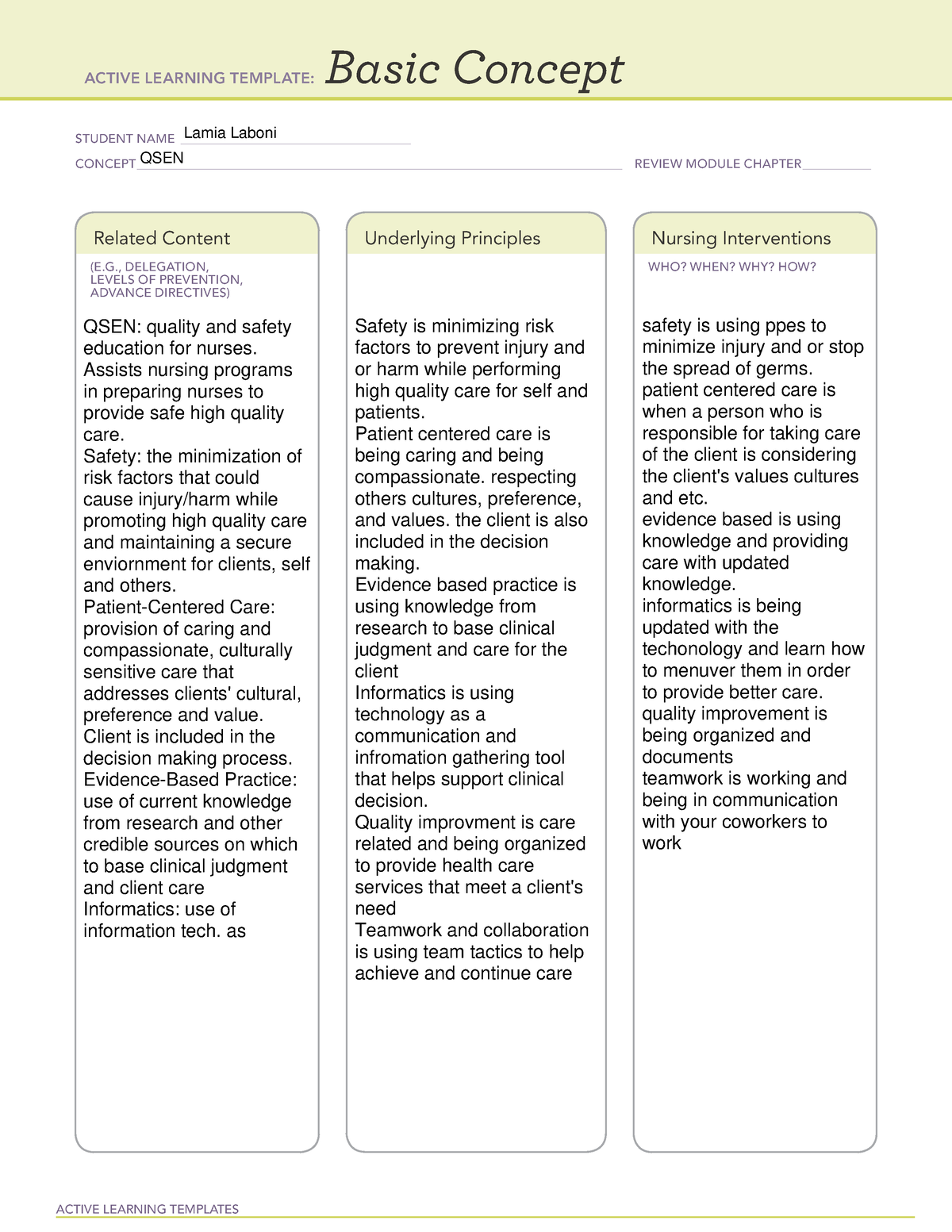
Basic Concept Template Example at Eileen Mcclelland blog
Set Of Basic Shapes For Teaching And Learning. 15766302 Vector Art At
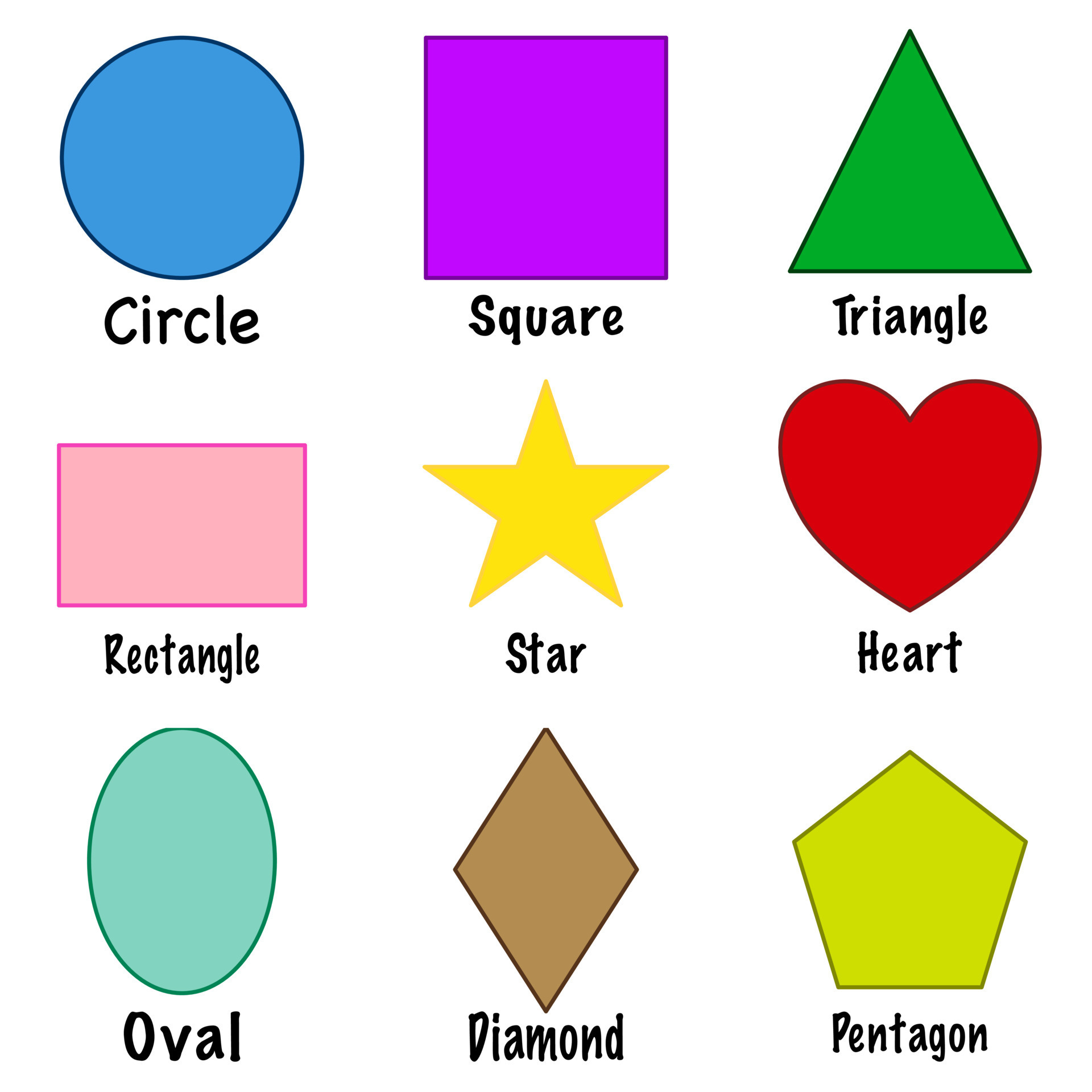
Set of basic shapes for teaching and learning. 15766302 Vector Art at ...
Visual Basic: History, Advantages, And Current Applications In Programming

Visual Basic: History, advantages, and current applications in programming
Learning Basic Programming Language
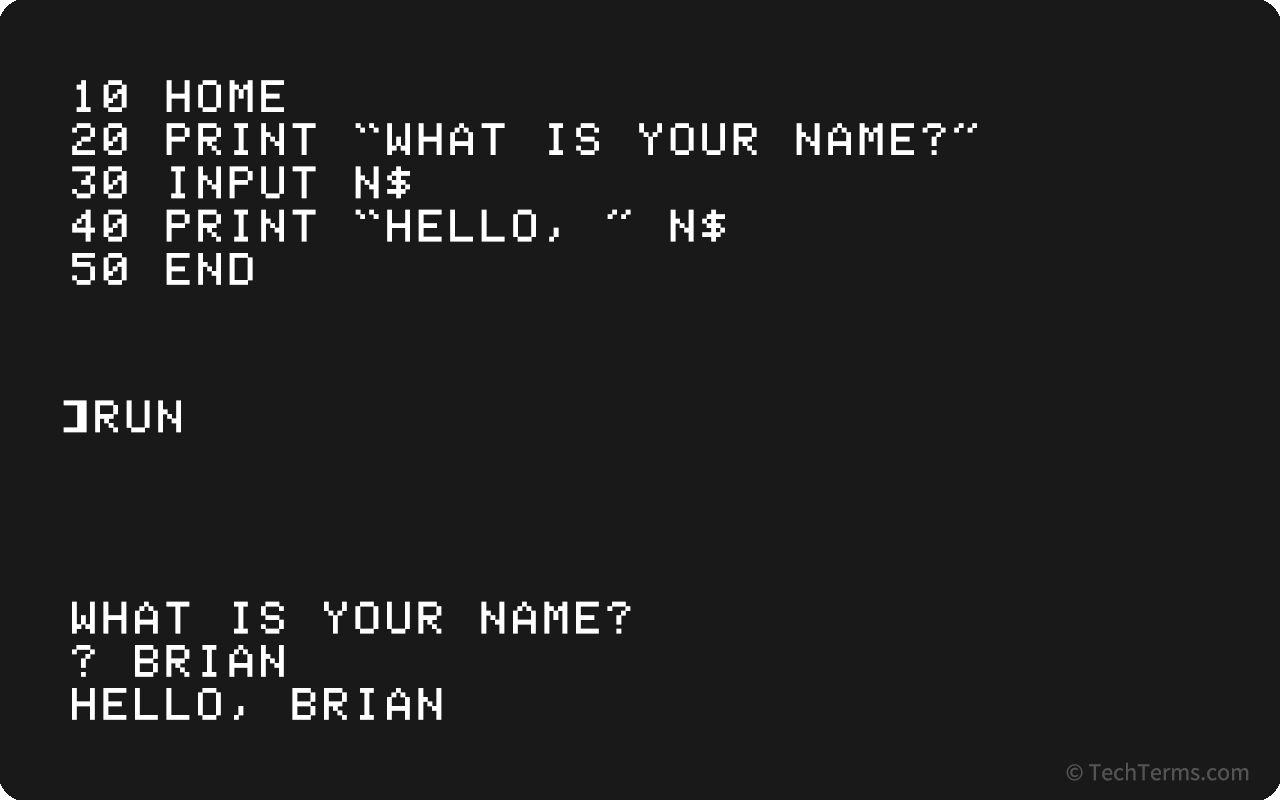
Learning Basic Programming Language
1.1: Basic Concepts – 1: Introduction To Statistics – MWPGLA
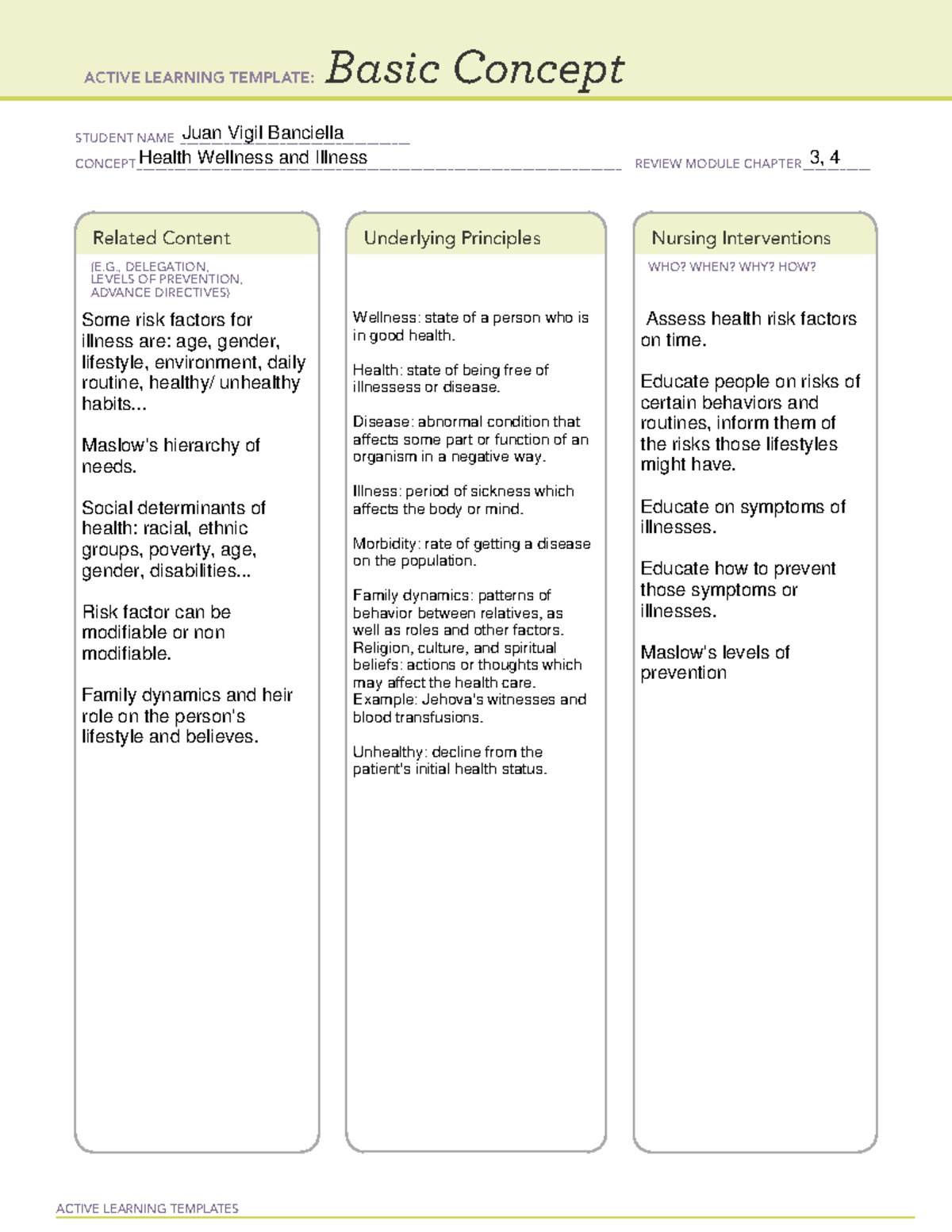
1.1: Basic Concepts – 1: Introduction to Statistics – MWPGLA