Researchers often compile vast digital libraries, seeking the definitive "english phrases and idioms pdf" to serve as a master reference. However, the utility of these documents is frequently overstated. The act of downloading a list often creates an illusion of competence, distracting learners from the active engagement required to master figurative language. For the detail-oriented scholar, the challenge is distinguishing between a cluttered inventory and a strategic educational asset.
The Limitation of Alphabetical Compilation
A primary mistake in resource creation is organizing idioms strictly from A to Z. While this aids in locating a specific term, it severely hinders the learning process. The brain retains information through narrative association and thematic clustering, not alphabetical isolation. A smarter alternative involves grouping expressions by topic—business negotiations, medical descriptions, or emotional states—rather than by the first letter. Contextual grouping allows a researcher to see the versatility of a single concept, whereas a long, disjointed list promotes passive skimming rather than deep retention and practical application.
The Necessity of Contextual Examples
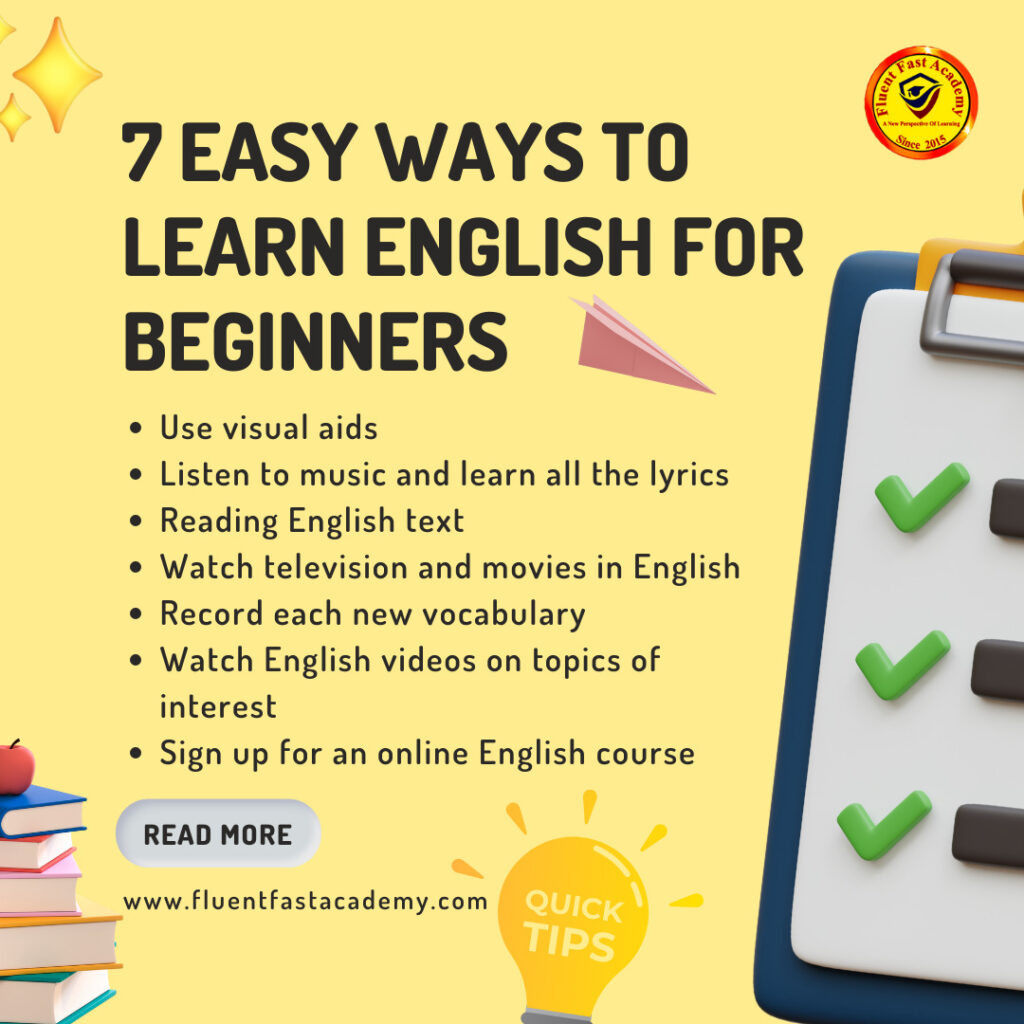
Many downloadable resources provide a definition and assume the pedagogical work is finished. This approach neglects the tonal nuance essential for advanced proficiency. An idiom that is perfectly acceptable in a casual setting might sound jarring or unprofessional in a formal report. Effective study materials must pair the phrase with sentence examples that demonstrate register and syntactic placement. By analyzing these examples, a researcher bridges the gap between understanding the literal translation of a phrase and wielding it correctly in complex discourse.
Moving Beyond Static Text
The modern researcher should treat the standard PDF as a stepping stone rather than a final destination. Static documents cannot easily reflect the dynamic evolution of language. Slang and idioms fall in and out of favor faster than traditional publishing cycles can update them. Consequently, relying on a PDF downloaded years ago risks internalizing outdated phrasing that marks the speaker as non-native or out of touch. Digital tools and hybrid PDFs that allow for crowd-sourced updates or links to current media usage provide a necessary layer of currency that a simple text file lacks.
Curating for Depth Over Breadth
A common error is the "pack rat" mentality, hoarding massive compendiums containing thousands of idioms that will realistically never be used. A highly focused guide of fifty high-frequency expressions is exponentially more valuable than a chaotic encyclopedia. When evaluating a resource, look for depth: does it explain the etymology or origin? Does it list functional synonyms? Does it explicitly warn against common usage errors? These specific details distinguish a reference tool from a mere list, transforming a passive file into an active learning asset that saves time and cognitive energy in the long run.
Researchers often compile vast digital libraries, seeking the definitive "english phrases and idioms pdf" to serve as a master reference. However, the utility of these documents is frequently overstated. The act of downloading a list often creates an illusion of competence, distracting learners from the active engagement required to master figurative language. For the detail-oriented scholar, the challenge is distinguishing between a cluttered inventory and a strategic educational asset.
The Limitation of Alphabetical Compilation
A primary mistake in resource creation is organizing idioms strictly from A to Z. While this aids in locating a specific term, it severely hinders the learning process. The brain retains information through narrative association and thematic clustering, not alphabetical isolation. A smarter alternative involves grouping expressions by topic—business negotiations, medical descriptions, or emotional states—rather than by the first letter. Contextual grouping allows a researcher to see the versatility of a single concept, whereas a long, disjointed list promotes passive skimming rather than deep retention and practical application.
The Necessity of Contextual Examples
Many downloadable resources provide a definition and assume the pedagogical work is finished. This approach neglects the tonal nuance essential for advanced proficiency. An idiom that is perfectly acceptable in a casual setting might sound jarring or unprofessional in a formal report. Effective study materials must pair the phrase with sentence examples that demonstrate register and syntactic placement. By analyzing these examples, a researcher bridges the gap between understanding the literal translation of a phrase and wielding it correctly in complex discourse.
Moving Beyond Static Text
The modern researcher should treat the standard PDF as a stepping stone rather than a final destination. Static documents cannot easily reflect the dynamic evolution of language. Slang and idioms fall in and out of favor faster than traditional publishing cycles can update them. Consequently, relying on a PDF downloaded years ago risks internalizing outdated phrasing that marks the speaker as non-native or out of touch. Digital tools and hybrid PDFs that allow for crowd-sourced updates or links to current media usage provide a necessary layer of currency that a simple text file lacks.
Curating for Depth Over Breadth
A common error is the "pack rat" mentality, hoarding massive compendiums containing thousands of idioms that will realistically never be used. A highly focused guide of fifty high-frequency expressions is exponentially more valuable than a chaotic encyclopedia. When evaluating a resource, look for depth: does it explain the etymology or origin? Does it list functional synonyms? Does it explicitly warn against common usage errors? These specific details distinguish a reference tool from a mere list, transforming a passive file into an active learning asset that saves time and cognitive energy in the long run.
Bộ Sưu Tập English Background Design Cho Các Trang Web Học Tiếng Anh

Bộ sưu tập English background design cho các trang web học tiếng Anh
English Background Images
English Background Images
English Language Arts Worksheet Free Printable Educational Worksheet

English Language Arts Worksheet Free Printable Educational Worksheet ...
English Png 20 Free Cliparts | Download Images On Clipground 2026

english png 20 free Cliparts | Download images on Clipground 2026